
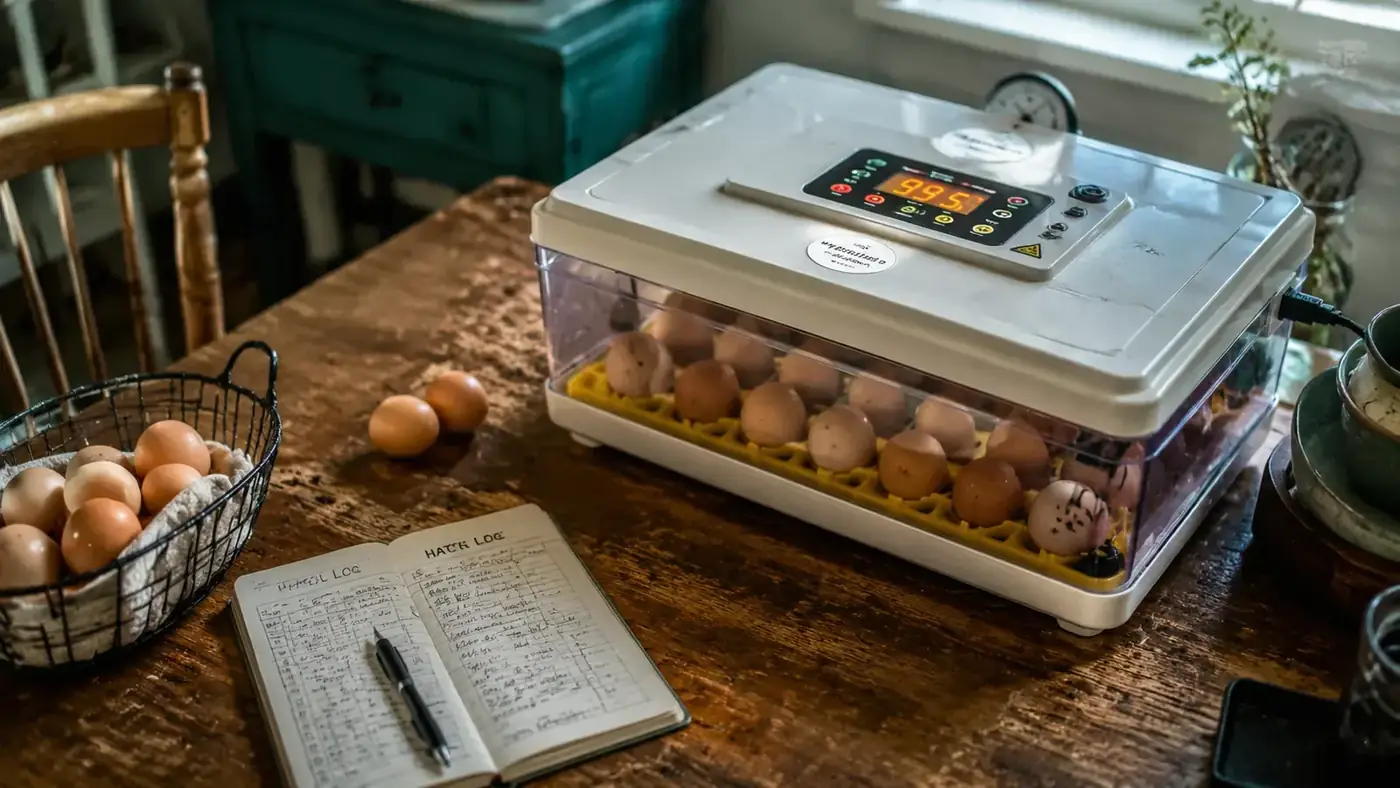
My neighbor Brent has a Silver Laced Wyandotte rooster named Gerald and a flock of twelve hens, and last March he handed me a cardboard egg carton with 28 fertilized eggs and said, "Good luck. It's easier than you think." He was half right. Setting up the MATICOOPX incubator was genuinely easy. The waiting was another matter entirely.
I had never hatched eggs before. I had raised chicks from a hatchery box twice, but setting eggs myself felt different, like I had accepted responsibility for something I could quietly ruin by Wednesday. I ordered the MATICOOPX 30-egg incubator after reading through a few reviews and liking that it had a built-in humidity display, an egg candler, and an automatic turner. Three features that every first-timer actually needs, and they were all in one box.
I set the incubator on my kitchen counter, plugged it in, and let it stabilize for four hours before I loaded anything. Temperature locked in at 99.6 degrees Fahrenheit without much fussing. I filled the humidity reservoir, watched the display settle to 52 percent, and then I put in all 28 eggs, pointed end down, and closed the lid.
Days one through seven I probably checked that display screen forty times a day. Temperature holding at 99.5, humidity sitting right around 50 to 55 percent. The automatic turner rotated every two hours without a sound. I started to relax.
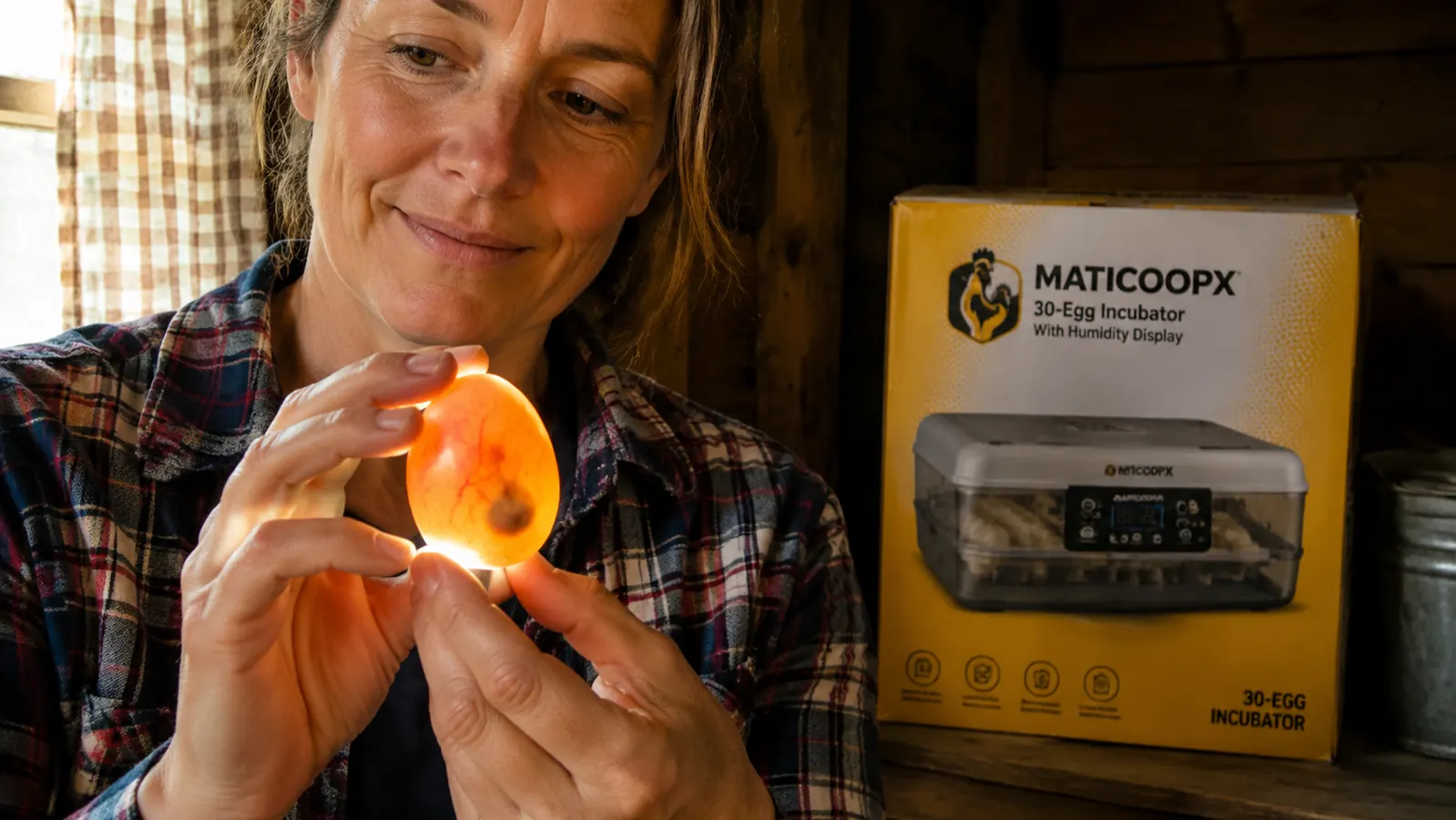
Day ten I candled for the first time. I carried each egg over to the window in the evening dark and held it against the small LED candler that came clipped inside the incubator lid. Twenty-two eggs showed clear signs of development: the dark spider-web of veins spreading out from a tiny shadowy mass in the center. Four looked clear, possibly infertile. Two were hard to read and I gave them the benefit of the doubt. I pulled the four clear ones and marked the two maybes with a pencil X.
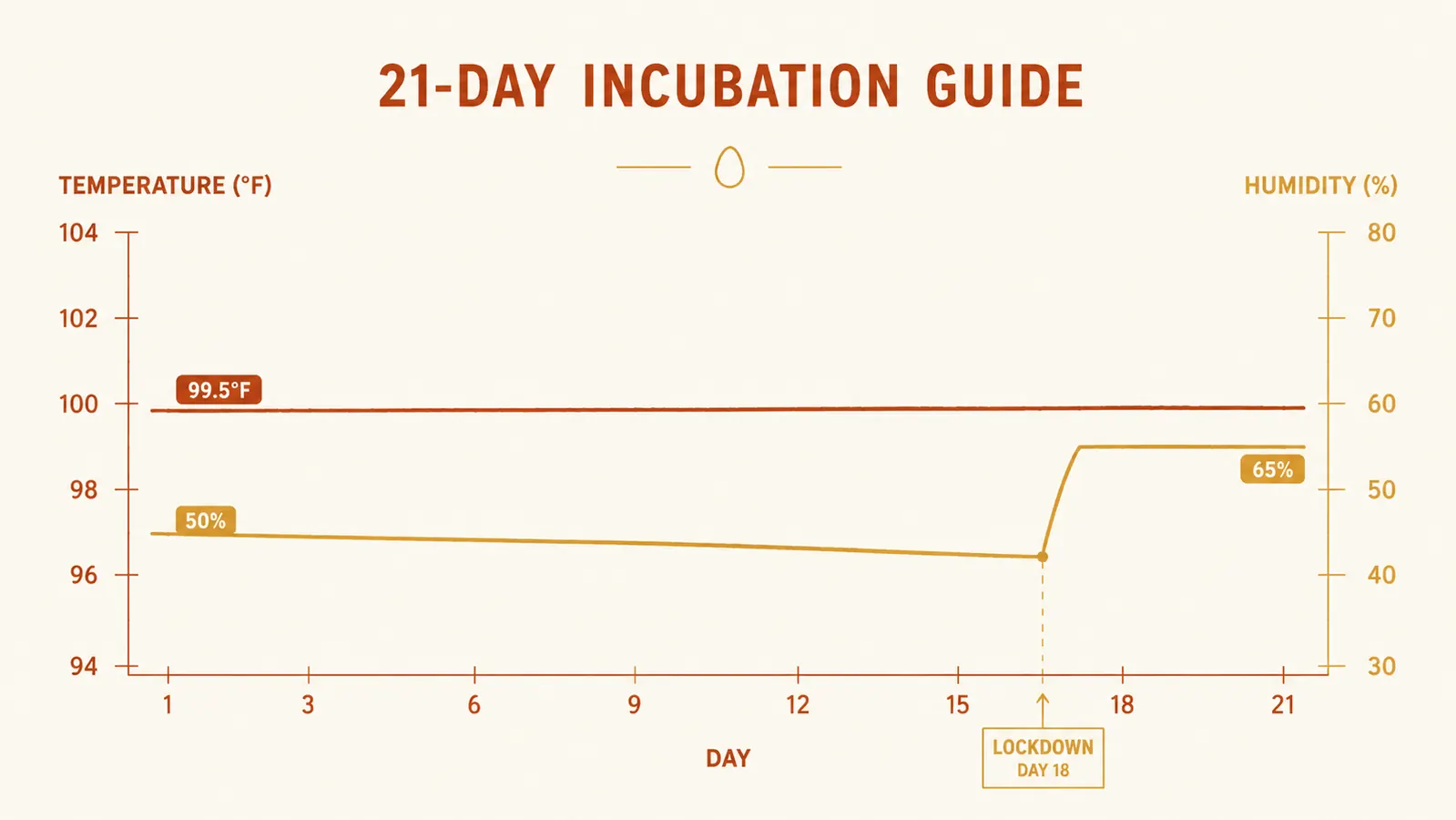
Days eleven through seventeen felt slow. I found myself walking past the incubator just to glance at the numbers. I read everything I could find about air cells and lockdown humidity. I asked my Facebook group three separate questions about humidity and got twelve contradictory answers. I landed on 50 percent through day 17 and a bump to 65 percent at lockdown, which is what the MATICOOPX instruction booklet actually recommended, so I decided to trust the equipment I had bought.
If you've got fertilized eggs and nobody to hatch them, the MATICOOPX is the incubator I'd hand a first-timer
Humidity display, built-in egg candler, automatic turner, and a 30-egg capacity. Everything you need in one unit at a price that doesn't require a second mortgage.
Amazon Check Today's Price on Amazon →Day 18 I switched the turner off, bumped the humidity to 65 percent, and did not open the lid again. This is called lockdown and it is exactly as hard as it sounds. No peeking. No adjusting. No lifting the lid to check if anything feels warm. You just wait and trust the machine.
Day 20, around seven in the evening, I was washing dishes when I heard it. A faint tap-tap-tap from the counter. I dried my hands and stood over the incubator. One egg in the front row had a small crack in it, a tiny star-shaped pip, and I could see it flex slightly with each breath the chick inside was taking. I stood there for probably twenty minutes just watching that little crack.
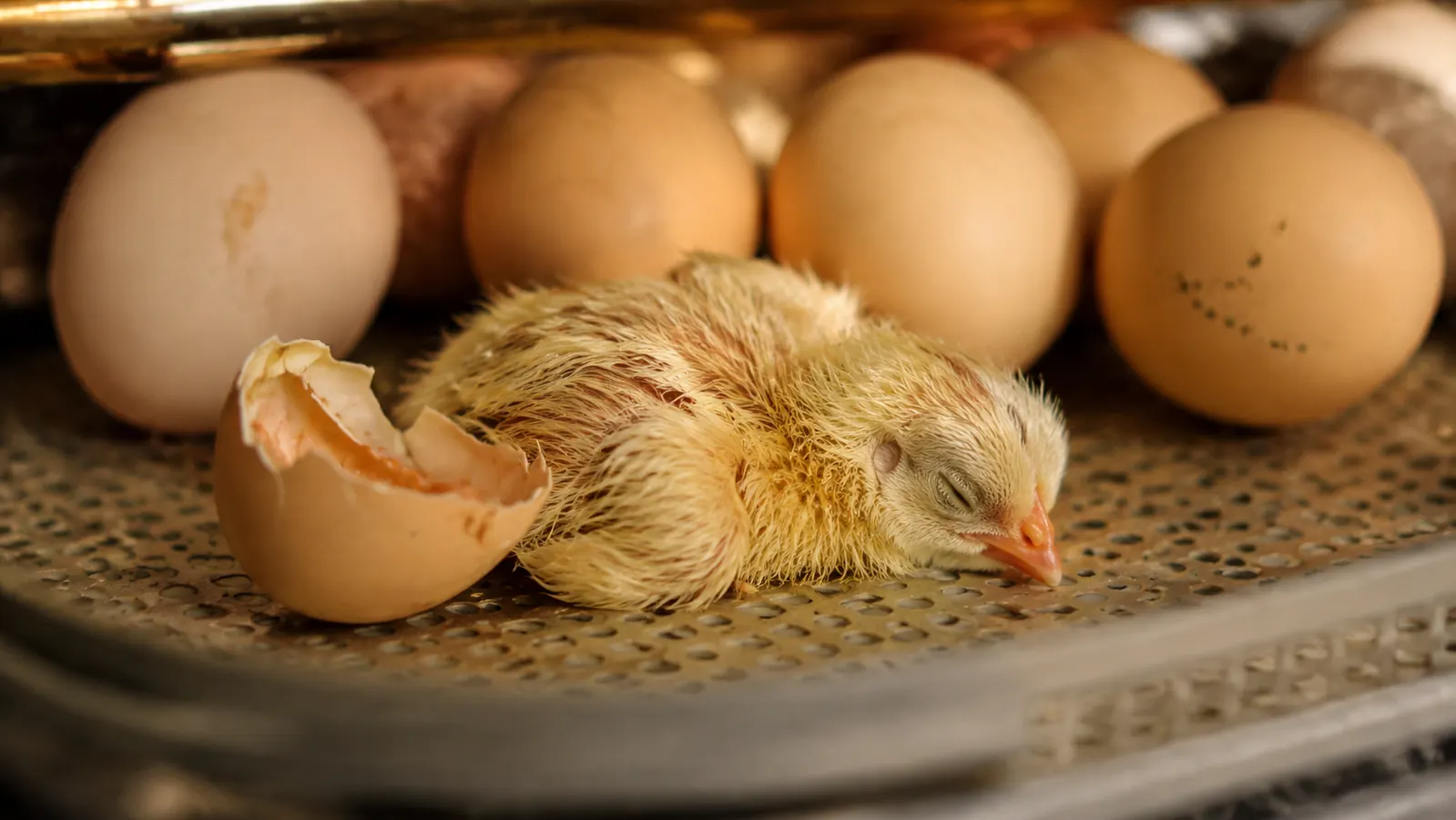
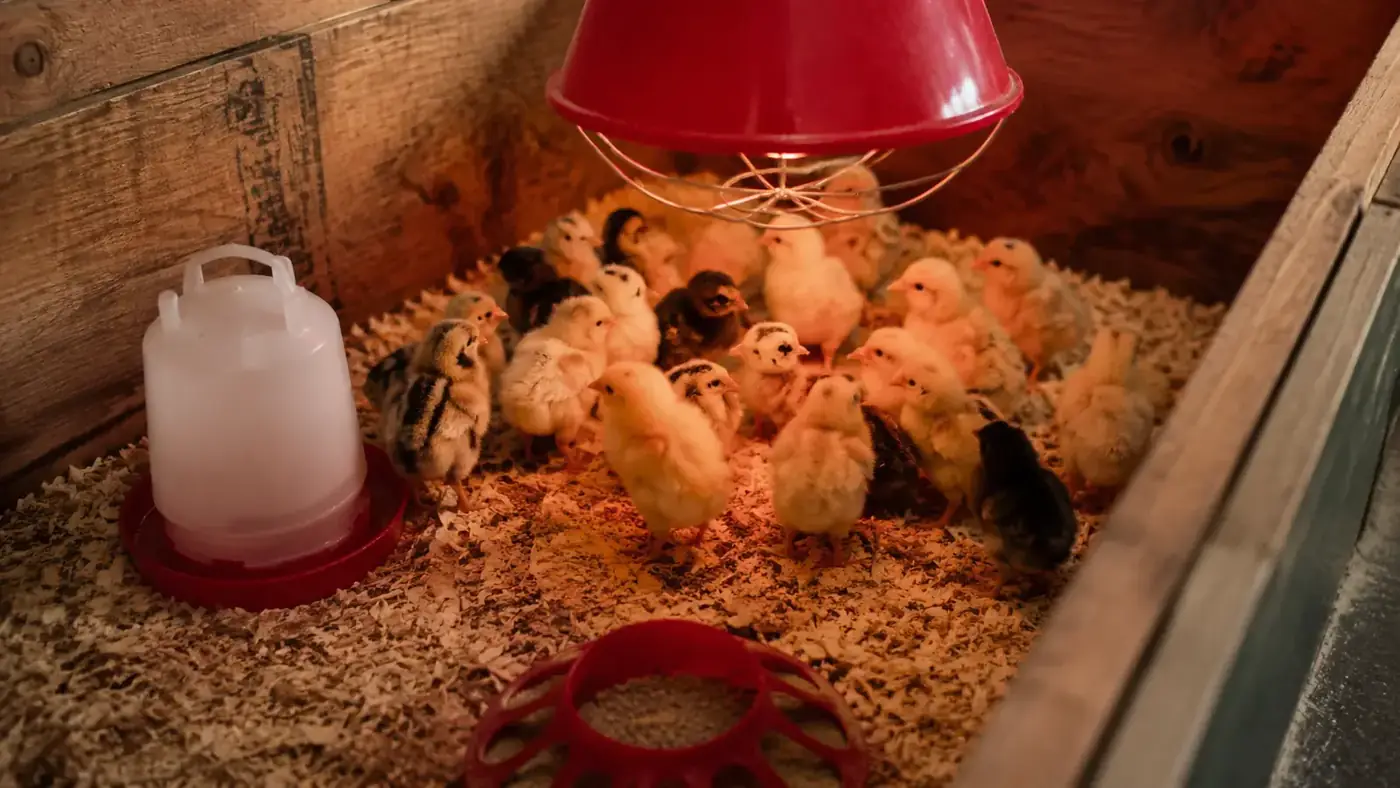
By midnight there were four pips. By morning, eight chicks had zipped out of their shells completely, flopped onto the tray, and were already starting to fluff up from that wet, exhausted, alien-looking thing they are right after hatch into something that actually resembles a baby chick. I kept reminding myself not to open the lid.
The hatch continued through day 21 and into the morning of day 22. Final count: 22 chicks from 28 eggs. The two I had marked with pencil X on day ten did not make it, and four others had quit somewhere in the last week, which is common enough and not something the incubator caused. A 78 percent hatch rate on my first ever attempt felt like an achievement worth writing down in the notebook I'd been keeping on the counter since day one.
What I'd Tell You If We Were Sitting at My Kitchen Table
If you are thinking about hatching your first batch of eggs, I'd say this: the MATICOOPX is a good machine for a first-timer because it does most of the worrying for you. The humidity display is the thing I used most. I'd have been flying blind without it. The candler that clips inside the lid is basic but it works fine for checking development, and the automatic turner meant I never had to set an alarm to rotate eggs by hand three times a day.
The hardest part of the whole process had nothing to do with the equipment. It was lockdown. It was knowing that something was happening in there and not being allowed to do anything about it. That part is on you, not the machine.
The 22 chicks that came out of that hatch are in my coop right now. Well, they're in my coop, my run, my garden, and occasionally my back porch if the gate doesn't latch right. Two of them are cockerels I'll have to rehome, but the rest are laying age now and I'm getting eggs from birds I hatched myself, which is a feeling I did not expect to be as satisfying as it is.
If Brent hands you a carton of fertilized eggs, take them. Get the incubator. Keep a notebook. And for the love of all that is good, do not open the lid during lockdown.
Ready to run your first hatch? The MATICOOPX has what you actually need on day one
Built-in humidity display, automatic egg turner, integrated candler, and a 4.4-star rating from nearly 2,000 buyers. A solid first incubator that does not require you to babysit it every hour.
Amazon Check Today's Price on Amazon →