

I used to scrub eggs every single morning before I could even think about breakfast. My hens were fine. My collection baskets were gross. After three years of tweaking our setup, I can tell you: dirty eggs are almost always a coop management problem, not a hen problem. Here are the 10 changes I made, and the one bedding swap that made the biggest difference.
If you've been washing eggs before storage and wondering why your shells feel fragile or why the bloom keeps coming off, it's worth fixing the source. Washing removes the protective bloom that keeps bacteria out. Cleaner eggs straight from the box means less washing, longer shelf life, and a lot less time standing at the sink.
Still picking shavings off your eggs every morning? This is the pad that changed things for me.
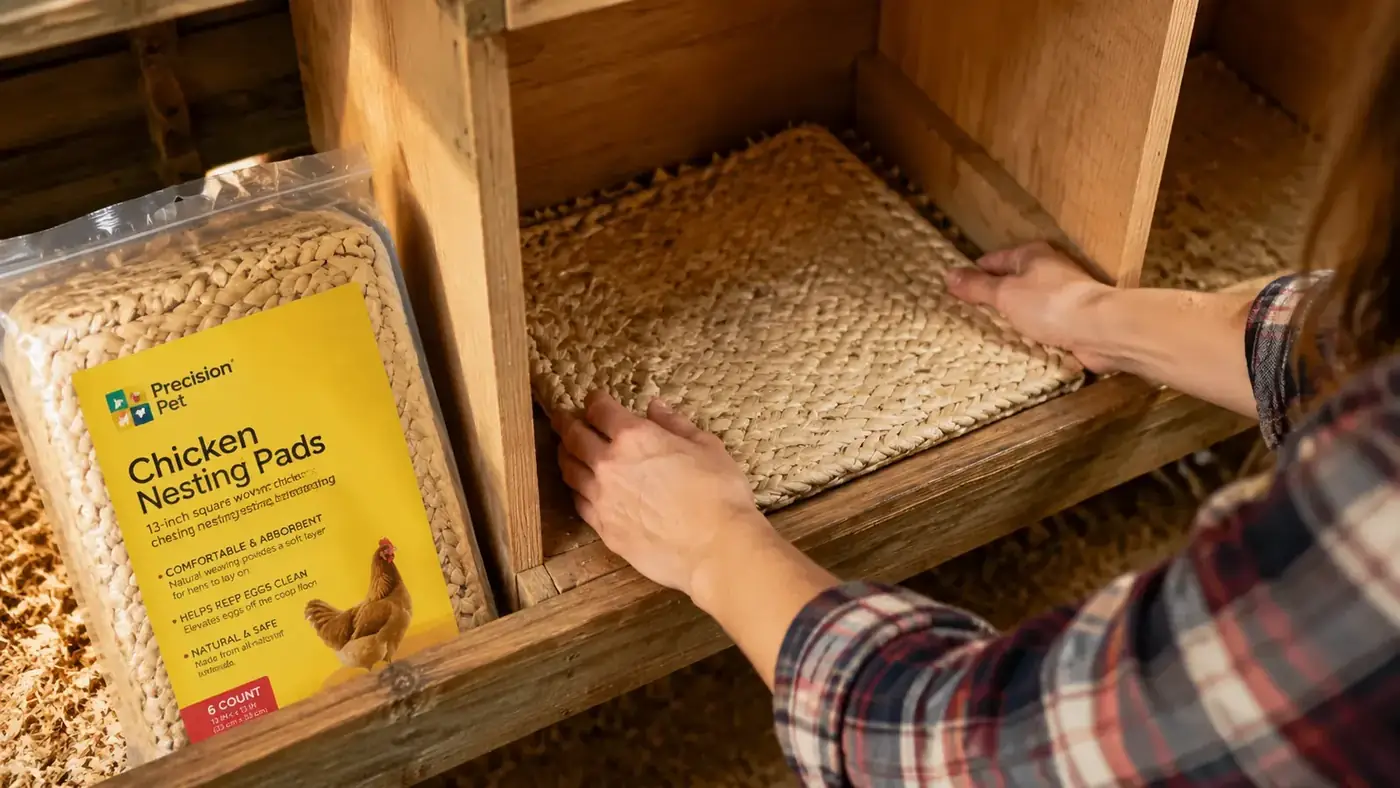
The Precision Pet Nesting Pads fit a standard 13x13 box, stay put when a broody hen rearranges everything, and keep eggs sitting above the mess instead of rolling into it. Over 5,800 chicken keepers have made the switch.
Amazon Check Today's Price on Amazon →Collect eggs twice a day
The single biggest driver of dirty eggs is time spent sitting in the box. Every hour an egg rests in a dirty nest is another chance for bacteria, mud, or poop to transfer to the shell. If you're doing one evening collection, add a morning round too. My cleanest days are always the ones where I hit the boxes right after the 8am laying rush. Pair this with the Precision Pet Nesting Pads so the surface the eggs are resting on is clean even between your visits.
Raise your nesting boxes off the floor
Boxes that sit at floor level become dust baths, dirt catchers, and sometimes overnight sleeping spots. Mounting boxes 18 to 24 inches off the ground removes them from the mud traffic zone and discourages hens from using them as a roosting ledge after dark. Less floor contact means less bedding contamination making its way into the box. The Precision Pet Pads stay cleaner longer when they're up off the ground where shavings and debris can't be kicked in.
Block the boxes at night
Hens should roost on bars at night, not sleep in nesting boxes. When a bird sleeps in the box she poops in it for six to eight hours straight. That's a lot of mess on your bedding before the first egg drops in the morning. A simple board, piece of cardboard, or hinged flap over the box entrance, removed at first light, is a cheap fix. Combined with the Precision Pet Nesting Pads, you dramatically cut the overnight contamination that was making morning eggs a mess.
Hang nesting curtains
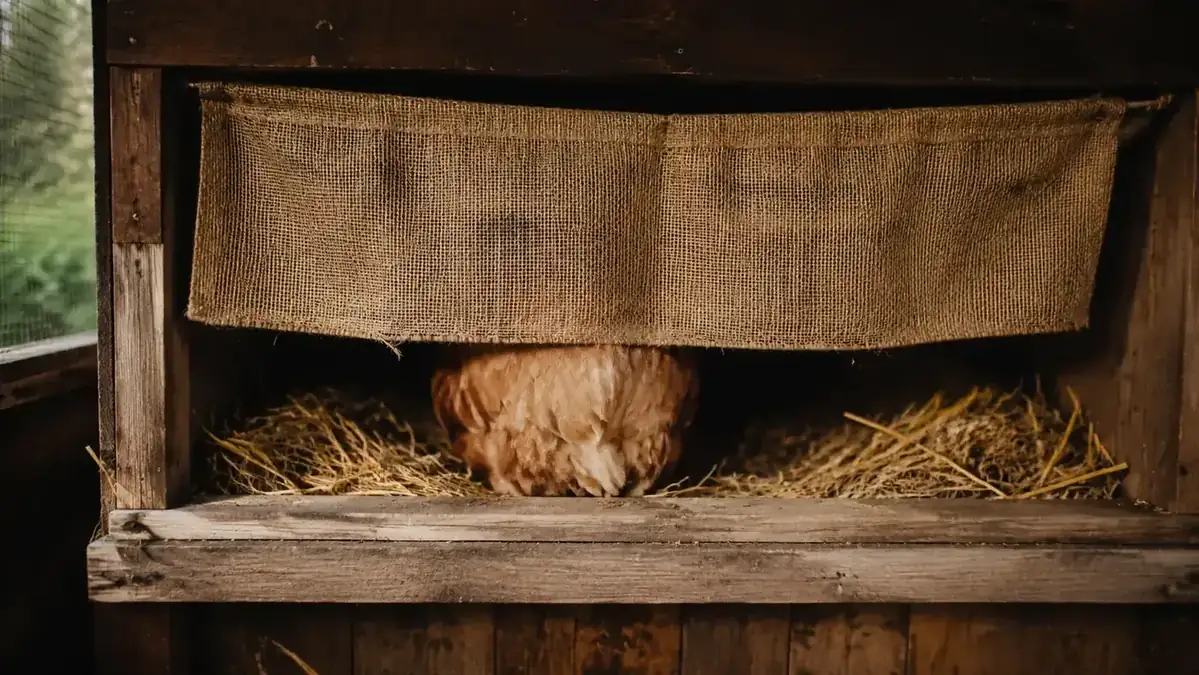
Hens prefer dark, enclosed spaces for laying. When boxes feel too open and exposed, some birds choose shadier spots like corners or the floor instead, which means floor eggs that roll through shavings and droppings. A short curtain of burlap or canvas across the front of each box darkens the space, encourages proper box use, and reduces the competition-induced hurry that leads to broken eggs. Add the Precision Pet Pads inside and you've got a box that looks, feels, and smells like somewhere a hen actually wants to be.
Switch to nesting pads instead of loose bedding
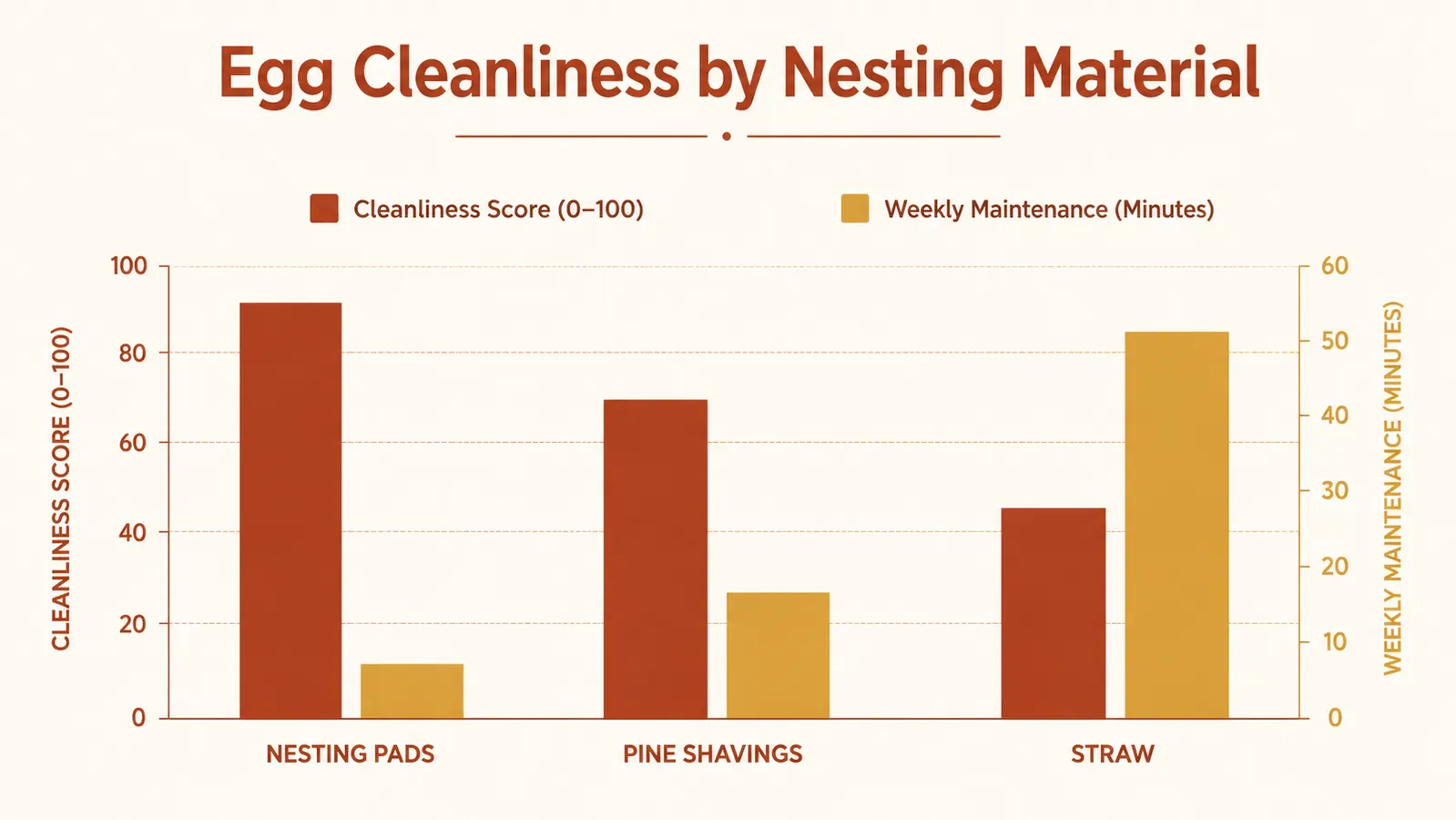
This was the biggest single change in my coop. Loose shavings and straw compact, get wet, develop hot spots, and collect droppings under the surface before you can see them. Eggs roll into the dirty pockets and pick up whatever is down there. The Precision Pet Nesting Pads by Petmate are a woven 13x13 pad that eggs rest on top of rather than sinking into. They're easy to lift out, shake off, and replace when they're past their prime. My weekly cleanup went from 20 minutes per box to under five.
The day I swapped pine shavings for nesting pads, I pulled six clean eggs in a row. That had never happened with shavings. I almost took a photo.
Keep dirty-footed hens out of laying season boxes
Hens that free-range or have access to muddy run areas come back to the box with dirty feet. One trip through wet mud and your clean pad is a mess by mid-morning. Consider adding a short perch at the box entrance so birds have to pause and grip before entering, which wipes a lot of the mud off their feet. The woven surface of the Precision Pet Nesting Pads does a decent job of staying cleanable even when a muddy bird walks across it, but less mud in is always better.
Add a roll-away lip to the box front
A small angled lip or lip-and-channel setup lets eggs gently roll to a covered collection area as soon as they're laid, so they spend zero time sitting in contact with the bedding. This is a bigger coop modification, but for keepers who have multiple hens using one box it removes the pile-up problem entirely. If you're not ready for a rollaway conversion, keeping the Precision Pet Nesting Pads in place gives you the next best thing: a firm, non-absorbing surface that doesn't trap debris around the egg.
Swap bedding more often than you think you need to
Most chicken keepers change nesting material when it looks dirty. The problem is bedding starts harboring bacteria and mite eggs long before it looks like much. If you're using loose shavings or straw, aim to swap completely every 10 to 14 days during active laying season, not once a month. With the Precision Pet Nesting Pads the timeline is longer because there's no deep layer for moisture to wick down into, but a quick inspection and replacement every 3 to 4 weeks keeps things genuinely clean.
Treat for mites on a schedule, not just when you see them
Northern fowl mites and red mites congregate in nesting boxes because the warmth and organic material is ideal for them. A mite infestation means hens are scratching and shifting in the box far more than normal, which means more disruption to the bedding and more contact between eggs and contaminated material. Treat the boxes themselves every 6 to 8 weeks with food-grade DE or a coop-safe spray. The Precision Pet Nesting Pads are easier to treat around because they're a single removable surface rather than a pile of loose shavings.
Use enough boxes so hens aren't waiting
The general rule is one nesting box per four hens, but in practice hens often have a favorite box and will queue up for it. A hen that's been waiting too long gets impatient and lays in the run, on the floor, or in another hen's box while she's still in it, which means broken eggs and a lot of mess. More boxes with quality bedding in each one reduces the queue. Putting the Precision Pet Nesting Pads in every box (not just the ones they already prefer) encourages hens to distribute more evenly and keeps eggs cleaner across the whole setup.
What I'd Skip
I've tried golf ball decoys to redirect floor layers, ceramic eggs as lures, and even rearranging the entire box layout mid-season. Some of it helped a little. But honestly, the combination that moved the needle most was collecting twice daily, blocking the boxes at night, and swapping the loose bedding for nesting pads. If you only have time for three changes, those are the three.
You could spend an hour rearranging decoy eggs and box locations. Or you could spend five minutes swapping to nesting pads and collect cleaner eggs tomorrow.
Ready to stop scrubbing eggs before breakfast? The Precision Pet Pads are the easiest change on this list.
They fit most standard 13x13 nesting boxes, rated 4.6 stars from over 5,800 buyers, and at current pricing you can outfit a four-box coop for less than the cost of a bag of pine shavings. They're not a permanent fix if your hens are sleeping in the boxes, but paired with the other changes on this list, they're the foundation everything else builds on.
Amazon Check Today's Price on Amazon →